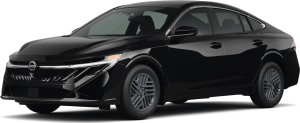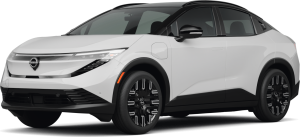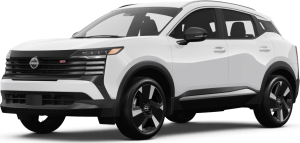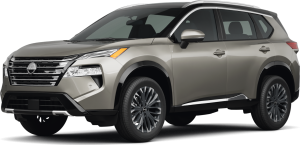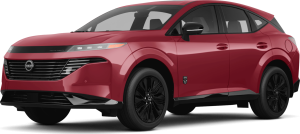

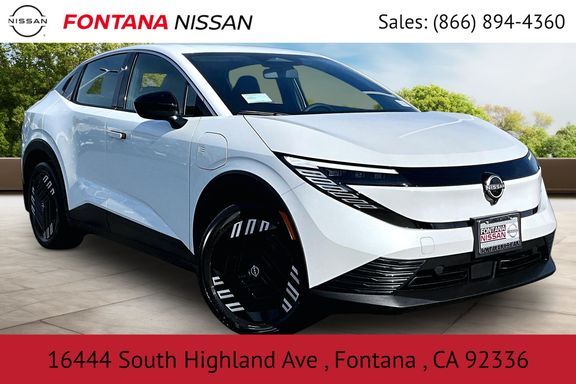
Electric vehicles have come a long way in the last decade, and the 2026 Nissan LEAF is proof of just how much the technology has evolved. Once known as one of the pioneers of affordable electric driving, the Nissan LEAF has entered a new generation with a modern design, improved battery technology, and a significantly longer driving range.
One of the biggest headlines surrounding the 2026 Nissan LEAF is its claimed driving range of up to 303 miles on a single charge. That number sounds impressive, but is it realistic for everyday drivers? Can you actually count on traveling over 300 miles without plugging in, or is it simply the best-case scenario?
In this guide, we'll break down everything you need to know about the 2026 Nissan LEAF, including how its range is measured, what affects battery performance, charging times, and whether it truly lives up to its promise.
Introduction to the 2026 Nissan LEAF
The 2026 Nissan LEAF represents a major leap forward for Nissan's electric vehicle lineup. Rather than simply refreshing the previous model, Nissan has redesigned the LEAF with a fresh appearance, improved aerodynamics, updated technology, and a larger battery.
For many shoppers, range anxiety remains the biggest concern when buying an electric vehicle. The promise of traveling up to 303 miles per charge is Nissan's answer to that concern.
Think of your EV battery like a smartphone battery. If you constantly stream videos at maximum brightness, it drains faster. Drive efficiently and use power wisely, and it lasts much longer. The same idea applies to electric vehicles.
What's New for 2026?
The 2026 Nissan LEAF introduces several important upgrades.
Completely Redesigned Exterior
The latest model features a sleeker body that improves airflow and reduces wind resistance. Better aerodynamics help improve efficiency, especially during highway driving.
Larger Battery Pack
One of the biggest improvements is the larger battery capacity, allowing significantly more miles between charges.
Modern Interior
Drivers will find:
- Large digital displays
- Wireless Apple CarPlay and Android Auto
- Improved driver assistance features
- Higher-quality materials
- More cargo flexibility
These upgrades make the LEAF feel much more premium than earlier generations.
Understanding the 303-Mile Claim
The headline figure of 303 miles comes from manufacturer estimates based on standardized testing.
That doesn't necessarily mean every driver will travel exactly 303 miles.
Instead, it represents ideal driving conditions, including:
- Moderate temperatures
- Gentle acceleration
- Consistent speeds
- Minimal cargo
- Proper tire pressure
Under these conditions, reaching close to 303 miles is certainly possible.
How EPA Range Testing Works
Before electric vehicles receive official range estimates, they undergo standardized testing.
These tests simulate:
- City driving
- Highway driving
- Stop-and-go traffic
- Various speeds
The goal is to create a consistent benchmark so consumers can compare different electric vehicles.
Real-world driving, however, rarely follows laboratory conditions.
Factors That Affect Real-World Range
Several everyday factors influence how far the 2026 Nissan LEAF can actually travel.
Weather
Cold temperatures reduce battery efficiency.
Very hot weather can also impact battery performance because cooling systems consume energy.
Driving Speed
Driving at 75 mph typically uses more electricity than cruising at 55 mph.
Higher speeds create more aerodynamic drag.
Driving Style
Smooth acceleration conserves energy.
Aggressive starts and sudden braking consume more power.
Terrain
Hilly roads require more battery power than flat roads.
Vehicle Load
Passengers, luggage, and roof racks all increase energy consumption.
Battery Technology Improvements
One reason the 2026 Nissan LEAF achieves a much longer range is its improved battery chemistry.
Benefits include:
- Higher energy density
- Longer battery lifespan
- Improved charging efficiency
- Better thermal management
- Greater overall reliability
These advancements help drivers enjoy both better range and longer battery durability.
Charging the 2026 Nissan LEAF
Charging convenience is almost as important as driving range.
Level 1 Charging
Using a household outlet works best for overnight charging but is the slowest option.
Level 2 Charging
Most homeowners install Level 2 chargers for much faster charging.
Many drivers can recharge overnight.
DC Fast Charging
Fast chargers allow the battery to recover a significant portion of its capacity during road trips.
While exact charging times vary, DC fast charging dramatically reduces waiting compared to standard charging.
Driving Performance and Efficiency
The 2026 Nissan LEAF isn't just about efficiency.
It also offers enjoyable everyday performance.
Instant Torque
Electric motors provide immediate acceleration.
This makes city driving feel responsive and smooth.
Quiet Ride
Without a gasoline engine, the cabin remains noticeably quieter.
Low Center of Gravity
The battery placement improves handling and vehicle stability.
Highway vs. City Driving Range
Many drivers wonder where the LEAF performs best.
City Driving
City driving often produces better efficiency because regenerative braking recaptures energy during slowing and stopping.
Highway Driving
High-speed driving generally reduces total range because wind resistance increases significantly.
A driver spending most of the day on highways may see lower mileage than someone commuting through city streets.
How It Compares with Competitors
The 2026 Nissan LEAF enters a highly competitive electric vehicle market.
Compared with rivals, it offers:
- Competitive driving range
- Modern styling
- Practical interior space
- Strong technology features
- Improved charging capability
- Comfortable ride quality
For many buyers, these strengths make it an attractive daily driver.
Tips to Maximize Driving Range
Getting close to the advertised range often comes down to driving habits.
Drive Smoothly
Avoid hard acceleration whenever possible.
Maintain Tire Pressure
Properly inflated tires reduce rolling resistance.
Use Eco Mode
Eco driving modes optimize energy usage.
Precondition the Cabin
Heating or cooling the vehicle while it's still plugged in saves battery energy.
Limit High-Speed Driving
Reducing cruising speed even slightly can noticeably improve efficiency.
Reduce Extra Weight
Removing unnecessary cargo helps improve overall range.
Is the 303-Mile Range Realistic?
The answer depends on how you drive.
Many owners could approach 300 miles when:
- Driving mostly in mild weather
- Maintaining moderate speeds
- Using Eco mode
- Driving efficiently
- Keeping tires properly inflated
However, those regularly driving in freezing temperatures, climbing steep hills, or cruising at high interstate speeds should expect somewhat less range.
For most drivers, seeing somewhere between approximately 250 and 300 miles in mixed real-world conditions is a reasonable expectation, while ideal conditions can bring the vehicle closer to its maximum estimated range.
Who Should Buy the 2026 Nissan LEAF?
The 2026 Nissan LEAF is an excellent choice for several types of buyers.
It is especially well suited for:
- Daily commuters
- Families needing a second vehicle
- First-time EV buyers
- Technology enthusiasts
- Environmentally conscious drivers
- Drivers looking to reduce fuel costs
Its combination of range, comfort, and modern technology makes it appealing to a wide audience.
Final Verdict
So, can the 2026 Nissan LEAF really travel 303 miles per charge?
The answer is yes—but under the right conditions.
Like every electric vehicle, real-world range depends on weather, driving habits, terrain, speed, and vehicle load. Nissan's estimate isn't a guarantee for every trip, but it is a credible benchmark based on standardized testing. For many drivers, the 2026 Nissan LEAF offers more than enough range for daily commuting, weekend getaways, and even longer journeys with planned charging stops.
More importantly, the new LEAF shows how far electric vehicle technology has progressed. With improved battery technology, modern features, and competitive efficiency, it stands as a strong option for anyone considering the switch to electric driving.